

Kneecap Dislocation
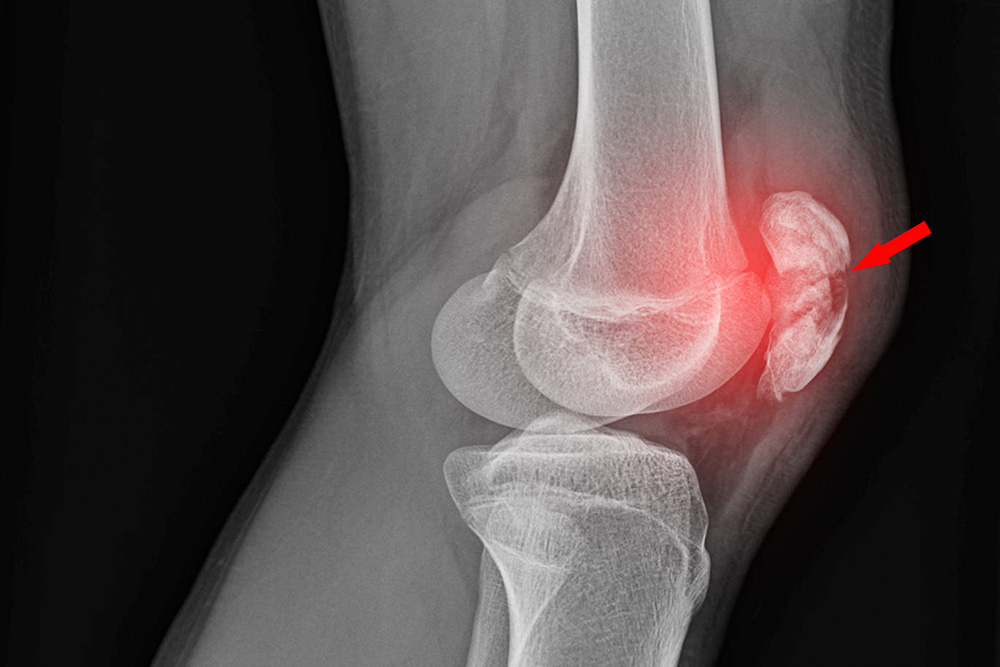
The patella (kneecap) is usually sitting right where it needs to be, in a groove at the end of your thighbone (femur). As your knee bends and straightens, the patella slides up and down within the groove, allowing it to function properly. But what happens when the patella slides too far to one side or the other?
The kneecap then becomes unstable, and depending on the severity of the injury, could even become dislocated. This condition is known as patellar instability. If left untreated, the likelihood of permanent damage and even more pain could increase.
Quick Links
What is patellar instability?
Patellar instability occurs when the kneecap moves outside of the groove. It’s a common injury for children and adolescents because some may have ligaments that are looser, making their joints very flexible and more prone to knee dislocations. Some adults can even experience patellar instability as well.
Common Ways This Injury Occurs
During an Accident
Also known as a traumatic event, the kneecap can slip out of place if you have suffered from a hard blow or fall. This injury is more common in children who play high-contact sports such as football. The kneecap may slide out of place quickly and go back on its own immediately. There may be significant pain and swelling in front of the knee after this happens, making it necessary to seek medical treatment.
The Kneecap Dislocates by Itself
Also known as an atraumatic event — meaning no specific injury has taken place. When the patella slides out of the groove on its own, that usually means the groove may be too shallow or the patella is misaligned. Dislocations can take place occasionally or very often. If the injury persists, damage to the kneecap and the end of the thigh bone could arise.
Symptoms of Patellar Instability
- Pain and swelling in the knee
- Pain when sitting
- Feeling a shift of the kneecap
- Creaking sounds upon movement of the knee
- Stiffness in the knee
How does Midwest Orthopedic and Musculoskeletal Alliance address patellar instability?
Your provider will make the diagnosis by looking at your medical history and then performing a physical exam. In some cases, an X-ray or MRI is obtained depending on the severity of the dislocation.
Based on the initial examination, non-surgical treatment may be recommended, such as physical therapy or braces to immobilize the knee. In more serious cases, surgical treatment is recommended to restructure the ligaments that hold the patella in place. Our team at Southeastern Wisconsin will do everything possible to ensure the most precise diagnosis is made so that your knee can get back to its normal functions as quickly as possible.

Get Expert Care for Kneecap Dislocation
If you or your child is experiencing patellar instability or kneecap dislocation, contact Midwest Orthopedic and Musculoskeletal Alliance today at 414-384-6700. Our orthopedic team in Southeastern Wisconsin will evaluate your condition and recommend the best course of treatment.
Layton Avenue Ste 102 - Orthopedic Clinic
3033 W Layton Avenue, Suite 102
Greenfield, WI 53221
414-384-6700
Layton Avenue Ste 160 - Orthopedic Clinic
2500 W Layton Avenue, Suite 160
Milwaukee, WI 53221
414-384-6700
N. Mayfair Road - Orthopedic Clinic
3077 North Mayfair Road, Suite 100
Wauwatosa, WI 53222
414-384-6700
27th Street - Orthopedic Clinic
9969 S. 27th Street, Suite 1100
Franklin, WI 53132
414-384-6700
Rawson Avenue - Orthopedic Clinic
3111 W. Rawson Avenue, Suite 200/205
Franklin, WI 53132
414-384-6700
Rawson Avenue - Pain Management Clinic
3111 W Rawson Avenue, Suite 235
Franklin, WI 53132
414-260-5544
N Port Washington Road - Pain Management Clinic
12831 N Port Washington Road
Mequon, WI 53092
414-260-5544
Washington Avenue - Pain Management Clinic
10180 Washington Avenue
Mount Pleasant, WI 53177
414-260-5544
Rawson Avenue - SmartScan Medical Imaging Center
3111 W. Rawson Avenue, Suite 105
Franklin, WI 53132
855-694-3300
Ballpark Drive - OrthoLazer Center
7044 South Ballpark Drive, Suite 202
Franklin, WI 53132
414-448-7001
Bluemound Road - OrthoLazer Center
17550 West Bluemound Road
Brookfield, WI 53045
262-289-9455
MOSH Brookfield Walk-In Clinic
17000L W. Bluemound Rd.
Brookfield, WI 53005
414-817-6750
MOSH Franklin Ortho Walk-In Clinic
7095 S. Ballpark Dr. Suite 100
Franklin, WI 53132
414-817-6620