

Tennis Elbow
What is lateral epicondylitis (tennis elbow)?
If you play a sport or have a job in which you repeat an arm movement over and over, you have a greater risk of developing tennis elbow, a painful overuse condition. The discomfort you feel with tennis elbow is caused by inflammation of the tendons that connect forearm muscles in the outer elbow. Overuse causes both the muscles and tendons of the forearm to become irritated.
Lateral epicondylitis is commonly referred to as “tennis elbow” and affects 1–3% of the general population and 15% of workers in at-risk industries. Tennis elbow symptoms usually appear gradually and intensify with time. There is usually no specific injury associated with the start of symptoms.
Quick Links
Causes of Tennis Elbow
Tennis elbow can result from a variety of activities and factors, including:
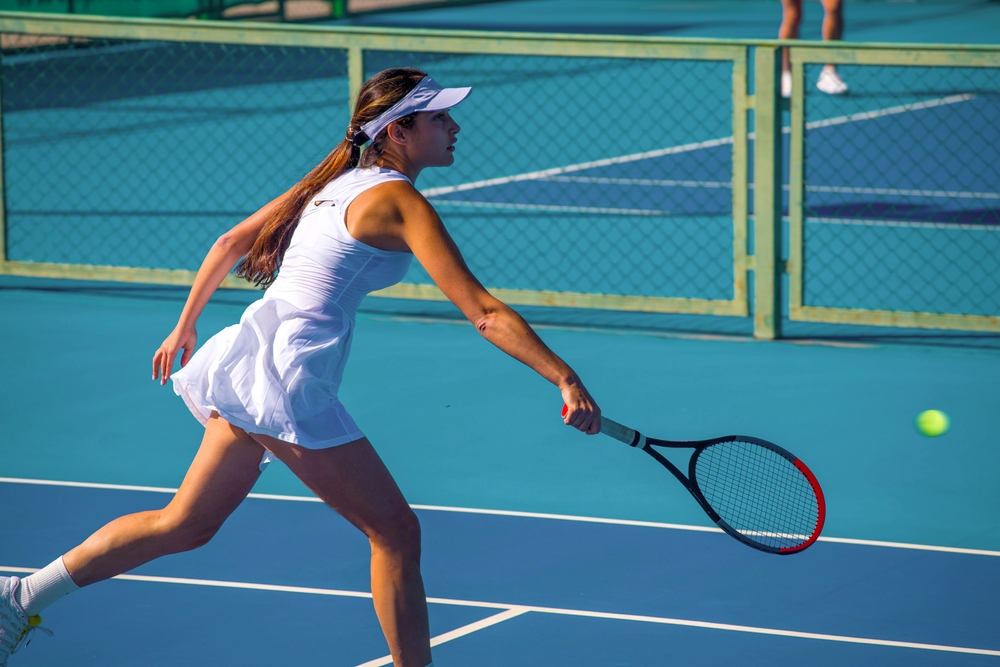
- Force applied during tennis backhand strokes
- Improper technique in racquet sports
- Weak shoulder and wrist muscles
- Improper racket grip size or string tension
- Off-center hits
- Repetitive activities such as painting or chainsaw operation
Symptoms of Tennis Elbow
Symptoms of tennis elbow may include:
- Pain on the outside of your elbow
- Increased pain when gripping an object
- Weakened grip strength
Pain is localized to the lateral epicondyle and may radiate upward or downward. It is aggravated by lifting, repetitive forearm or wrist use, and handshaking, and may occur suddenly or gradually.
Tennis Elbow Diagnosis
To diagnose your tennis elbow, your doctor will look for signs and symptoms of muscle and tendon wear and tear, and ask about your medical history, lifestyle, and when and how your symptoms developed. The diagnostic process will typically entail:
- Physical examination — your doctor will test your arm flexion and extension against resistance to see if they produce pain, and assess tenderness, pain with resisted wrist extension, and grip strength changes
- Imaging tests — X-rays to rule out stress fracture or arthritis, or an MRI to rule out referred neck issues or other soft tissue problems; electromyography or CT scans may also be used depending on your symptoms
Tennis Elbow Treatment
Your treatment plan will entail nonoperative treatment first, as it proves successful for most people. Nonsurgical treatment options include:
Rest
Refraining from the repetitive motions that irritated your tendons and muscles is often all that is needed
Ice
Ice application, both at physical therapy and at home (15–20 minutes every 4–6 hours), will ease swelling and pain
NSAIDs
Nonsteroidal anti-inflammatory drugs can reduce pain and inflammation
Orthotics
A brace can help the muscles and tendons in your forearm rest and heal faster
Physical Therapy
Strengthens the arm and provides education on proper form to prevent future overuse complications
Corticosteroid Injections
Can reduce swelling and pain for months; immobilization for 3–4 weeks may also be recommended
In the event that non-operative treatments do not provide relief within a year, your doctor may advise surgery to remove damaged muscle and secure muscle-to-bone attachment.
Surgical approach will depend on your injury, health, lifestyle, and goals. Open surgery (with multiple elbow incisions) is the most common and typically performed on an outpatient basis. Arthroscopic surgery, which uses tiny incisions, is a less invasive outpatient option.
Who is at risk for tennis elbow?
Age
Tennis elbow is most frequently diagnosed in people aged 30 to 50, although it is seen across the age spectrum
Occupation
If your job requires repetitive arm motions (e.g., janitor, painter, carpenter, butcher), you are at a greater risk
Sports Participation
Sports like tennis, in which you repeat the same stroke or motion, contribute to tennis elbow — especially if you don’t use proper technique or equipment
Prevention
You can reduce your risk of developing tennis elbow by:
- Taking frequent breaks during repetitive activities
- Avoiding extended lifting with the elbow extended
- Reducing gripping tension
- Using proper tools with padding or ergonomic handles
- Using two-handed techniques in sports
- Maintaining strong shoulder and wrist muscles

Schedule Your Tennis Elbow Consultation Today
If you are experiencing elbow pain or suspect tennis elbow, contact Midwest Orthopedic and Musculoskeletal Alliance today at 414-384-6700. Our orthopedic specialists in Southeastern Wisconsin will evaluate your condition and recommend the most appropriate treatment plan.
Layton Avenue Ste 102 - Orthopedic Clinic
3033 W Layton Avenue, Suite 102
Greenfield, WI 53221
414-384-6700
Layton Avenue Ste 160 - Orthopedic Clinic
2500 W Layton Avenue, Suite 160
Milwaukee, WI 53221
414-384-6700
N. Mayfair Road - Orthopedic Clinic
3077 North Mayfair Road, Suite 100
Wauwatosa, WI 53222
414-384-6700
27th Street - Orthopedic Clinic
9969 S. 27th Street, Suite 1100
Franklin, WI 53132
414-384-6700
Rawson Avenue - Orthopedic Clinic
3111 W. Rawson Avenue, Suite 200/205
Franklin, WI 53132
414-384-6700
Rawson Avenue - Pain Management Clinic
3111 W Rawson Avenue, Suite 235
Franklin, WI 53132
414-260-5544
N Port Washington Road - Pain Management Clinic
12831 N Port Washington Road
Mequon, WI 53092
414-260-5544
Washington Avenue - Pain Management Clinic
10180 Washington Avenue
Mount Pleasant, WI 53177
414-260-5544
Rawson Avenue - SmartScan Medical Imaging Center
3111 W. Rawson Avenue, Suite 105
Franklin, WI 53132
855-694-3300
Ballpark Drive - OrthoLazer Center
7044 South Ballpark Drive, Suite 202
Franklin, WI 53132
414-448-7001
Bluemound Road - OrthoLazer Center
17550 West Bluemound Road
Brookfield, WI 53045
262-289-9455
MOSH Brookfield Walk-In Clinic
17000L W. Bluemound Rd.
Brookfield, WI 53005
414-817-6750
MOSH Franklin Ortho Walk-In Clinic
7095 S. Ballpark Dr. Suite 100
Franklin, WI 53132
414-817-6620