

Hip
Many people experience hip pain at some point in their lives. Hip pain can occur due to a variety of causes, and it is important to get to the bottom of your pain in order to receive the most effective hip pain treatment.
If you’ve experienced hip joint pain for more than a week, you should seek treatment from a qualified hip specialist. If you suffer a fall that results in hip pain, we recommend you get a proper diagnosis to rule out a hip fracture.
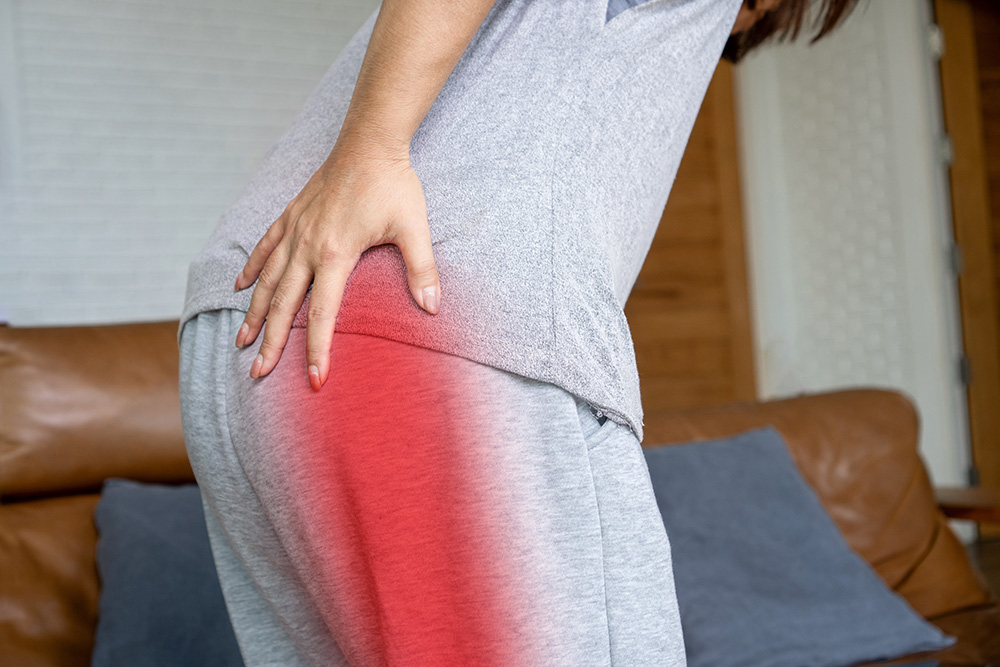
Hip pain that prohibits you from walking comfortably or sleeping should be examined. If you cannot bend your hip, have a fever or notice swelling of the hip or thigh, hip pain treatment may be necessary. Sometimes, a hip problem can manifest as thigh or even back pain.
The orthopedic hip specialists and surgeons of Midwest Orthopedic and Musculoskeletal Alliance are leaders in their field, offering a wide range of services including minimally invasive treatment options for joint replacement surgery.
With our complete surgical offerings, rehabilitation services, sports medicine coverage, Joint Effort classes for joint replacement patients, home care and educational programs, you can expect the best in clinical excellence and outcomes.
Our Main Hip Services at Midwest Orthopedic and Musculoskeletal Alliance
The orthopedic specialists of Midwest Orthopedic and Musculoskeletal Alliance treat hip and knee pain using a variety of techniques, including anti-inflammatory medications, physical therapy and surgery. They will work with you to create a customized treatment plan to address your specific condition.

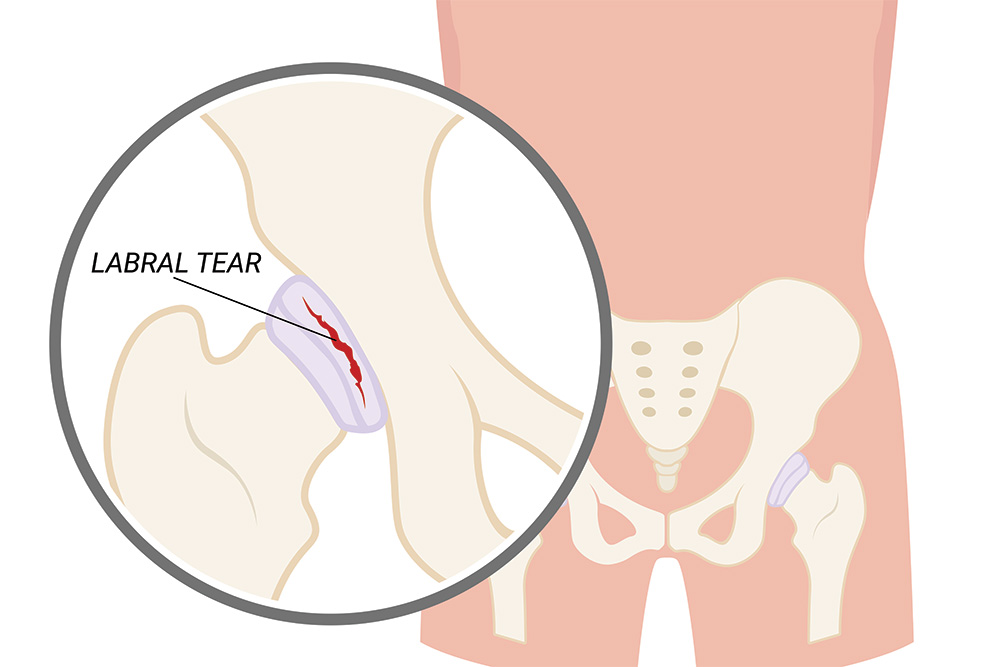




Other Hip & Pelvic Conditions We Treat
Tendonitis and Tendon Tears
Hip tendonitis is inflammation of one or more tendons that connect muscles to the hip joint, most commonly affecting the iliopsoas or gluteal tendons, and causes aching hip or groin pain that worsens with activity. Tendon tears — either partial or complete — can result from acute injury or gradual degeneration over time, leading to weakness and reduced range of motion. Our specialists evaluate each patient individually to determine whether conservative care or surgical intervention is the most appropriate course of treatment.
Bursitis
Hip bursitis is inflammation of the bursae, small fluid-filled sacs that cushion the bones, tendons, and muscles around the hip joint. The most common form, trochanteric bursitis, produces pain and tenderness on the outer side of the hip that may radiate down the thigh, often worsening with prolonged walking or climbing stairs. It is typically managed with rest, physical therapy, and corticosteroid injections, though persistent cases may require additional intervention.
Hamstring Tears
A hamstring tear is a strain or rupture of one or more of the three muscles running along the back of the thigh, and can range from a mild muscle strain to a complete avulsion of the tendon from its attachment at the sit bone. These injuries are common in athletes and active individuals, causing sudden sharp pain in the back of the thigh or buttock along with bruising and difficulty walking. Treatment depends on severity and may include physical therapy, activity modification, or surgical repair for complete proximal tears.
AVN
Avascular necrosis (AVN) of the hip — also known as osteonecrosis — occurs when the blood supply to the femoral head is disrupted, causing bone tissue to die and the hip joint surface to gradually collapse. Common causes include long-term corticosteroid use, excessive alcohol consumption, trauma, and certain underlying medical conditions. Early-stage AVN may be addressed with core decompression or biologic treatments, while advanced cases typically require hip replacement to restore function and relieve pain.
Biologics
Biologic treatments harness the body’s own regenerative properties — including platelet-rich plasma (PRP) and stem cell therapy — to reduce inflammation, promote tissue repair, and potentially slow the progression of hip joint degeneration. These minimally invasive options are used for conditions such as hip arthritis, labral tears, and tendon injuries, either as a standalone treatment or alongside traditional care. Our specialists will evaluate whether biologic therapy is appropriate for your specific condition and health goals.
SI Joint Pain
The sacroiliac (SI) joint connects the base of the spine to the pelvis and plays a critical role in absorbing shock during walking and other activities. SI joint dysfunction can cause significant lower back, hip, and buttock pain that may radiate down the leg, and is often mistaken for a herniated disc or hip arthritis. Treatment ranges from physical therapy and targeted SI joint injections to minimally invasive fusion procedures when conservative measures do not provide lasting relief.
Total Hip Replacement
As our population ages but stays active and healthier, hip and knee pain from joint deterioration is expected to increase. When this occurs, simple exercise, activities of daily living, or attempting to lose weight become painful.
Midwest Orthopedic and Musculoskeletal Alliance physicians are committed to providing a full spectrum approach to treatment of all joint conditions. These conditions include Avascular Necrosis, Osteoarthritis, Rheumatoid Arthritis, hip dysplasia, labral tears and post-traumatic arthritis whether from a sports injury or a previous fracture.
We offer non-operative care including bracing, therapy, and multiple types of injections. Unfortunately, there are times when non-operative treatment does not provide the desired results.
When non-operative treatments do not provide the desired results joint replacement is an excellent option. Although no surgery is risk-free, our surgeons will individualize a treatment plan best for each patient.
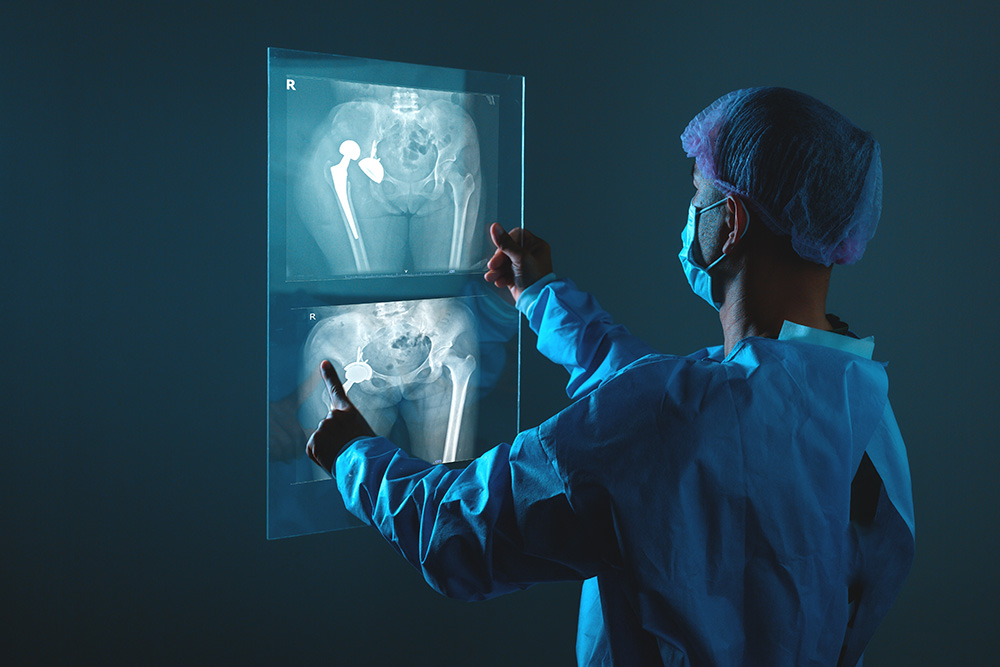
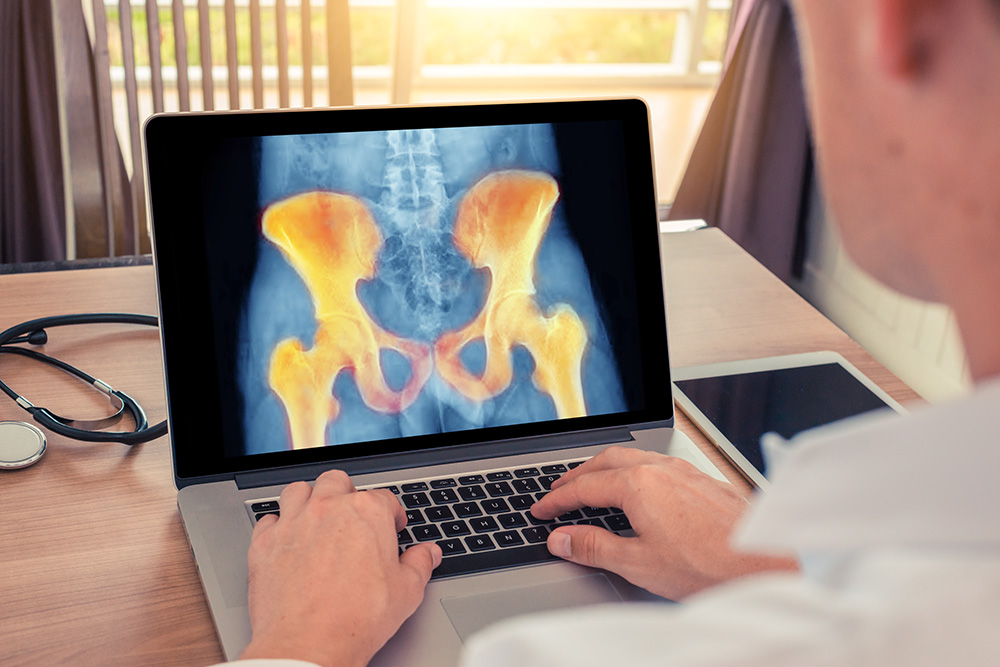
After a thorough workup including history, physical exam, X-ray, and possibly a CT scan or MRI evaluation, a surgical plan will be devised with the needs of the patient.
We offer anterior approach hip replacement as well as the traditional posterior approach.
We offer total and partial hip replacement, as well as Birmingham hip resurfacing for appropriate candidates.
Frequently Asked Questions
How does a total hip replacement work?
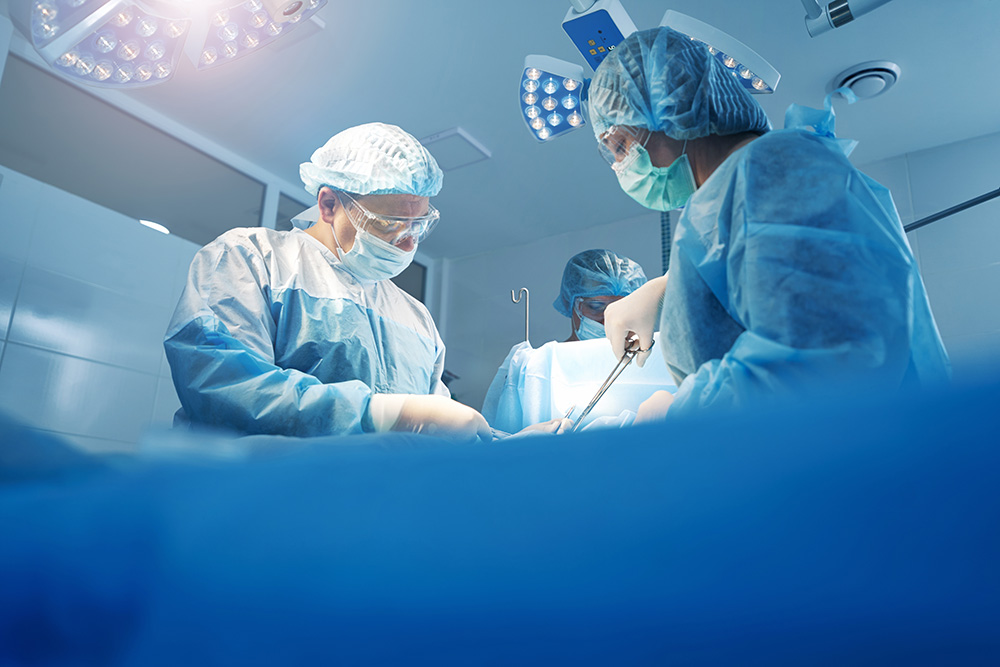
Through a small incision the hip joint is accessed. The socket section of the hip is replaced with a metal prosthesis with a plastic or ceramic insert to allow for smooth natural movement. The ball is replaced with a metal stem either cemented or cementless depending on each individual patient.
What is done prior to surgery?
After the decision is made to schedule a total hip replacement by you and your physician usually a medical workup performed by your primary care physician is ordered. This assures that our patients are medically safe to undergo the surgical procedure.
A total joint replacement class is scheduled to introduce our patients to the hospital, the staff who will be taking care of you and allow for further questions of what to expect.
How long is the hospital stay?
As technology has improved hospitalization stays have lessened. We offer outpatient, 23 hour and traditional inpatient total hip replacement. You will have physical and occupation therapy prior to discharge to assure you are safe enough to go home.
What to expect after surgery?
After surgery several in-office visits are scheduled to make sure you are progressing appropriately. Usually physical therapy is ordered. Also, to prevent blood clots from forming you will be prescribed medication to take for 4-6 weeks.
Midwest Orthopedic and Musculoskeletal Alliance has several physicians who perform cutting edge total joint replacements. Please call our office to schedule an appointment to undergo an evaluation.
Schedule Your Hip Consultation Today
If you are experiencing hip pain or have been told you may need hip surgery, contact Midwest Orthopedic and Musculoskeletal Alliance today at 414-384-6700. Our orthopedic hip specialists in Southeastern Wisconsin will evaluate your condition and recommend the most appropriate treatment plan.
Layton Avenue Ste 102 - Orthopedic Clinic
3033 W Layton Avenue, Suite 102
Greenfield, WI 53221
414-384-6700
Layton Avenue Ste 160 - Orthopedic Clinic
2500 W Layton Avenue, Suite 160
Milwaukee, WI 53221
414-384-6700
N. Mayfair Road - Orthopedic Clinic
3077 North Mayfair Road, Suite 100
Wauwatosa, WI 53222
414-384-6700
27th Street - Orthopedic Clinic
9969 S. 27th Street, Suite 1100
Franklin, WI 53132
414-384-6700
Rawson Avenue - Orthopedic Clinic
3111 W. Rawson Avenue, Suite 200/205
Franklin, WI 53132
414-384-6700
Rawson Avenue - Pain Management Clinic
3111 W Rawson Avenue, Suite 235
Franklin, WI 53132
414-260-5544
N Port Washington Road - Pain Management Clinic
12831 N Port Washington Road
Mequon, WI 53092
414-260-5544
Washington Avenue - Pain Management Clinic
10180 Washington Avenue
Mount Pleasant, WI 53177
414-260-5544
Rawson Avenue - SmartScan Medical Imaging Center
3111 W. Rawson Avenue, Suite 105
Franklin, WI 53132
855-694-3300
Ballpark Drive - OrthoLazer Center
7044 South Ballpark Drive, Suite 202
Franklin, WI 53132
414-448-7001
Bluemound Road - OrthoLazer Center
17550 West Bluemound Road
Brookfield, WI 53045
262-289-9455
MOSH Brookfield Walk-In Clinic
17000L W. Bluemound Rd.
Brookfield, WI 53005
414-817-6750
MOSH Franklin Ortho Walk-In Clinic
7095 S. Ballpark Dr. Suite 100
Franklin, WI 53132
414-817-6620